Geometry Dash Lite

Arcade

Everyone 10+
4.4
Country
US
Release Date
2013-09-15 00:00:00
Price
$0.00
File Size
Varies with device
Downloads
500M+
What This Game Is About?
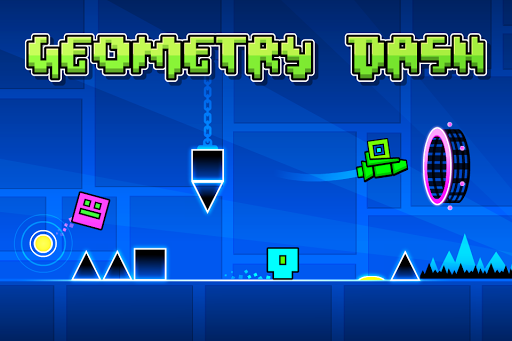
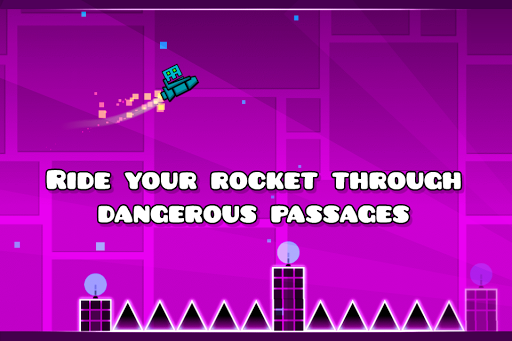
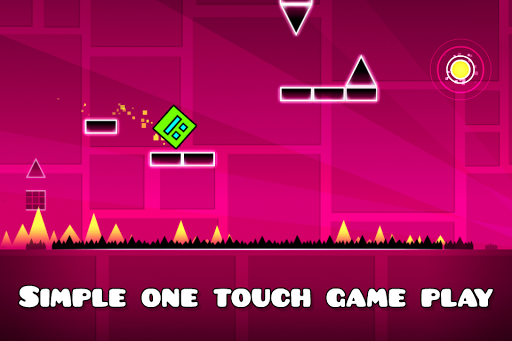
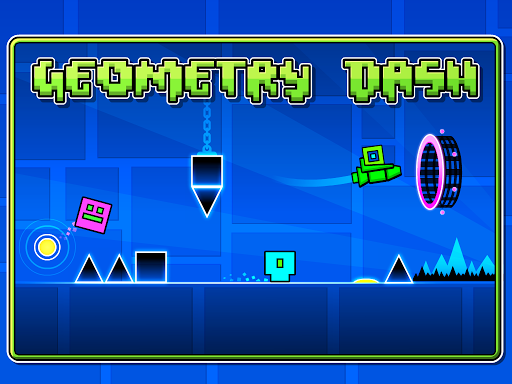
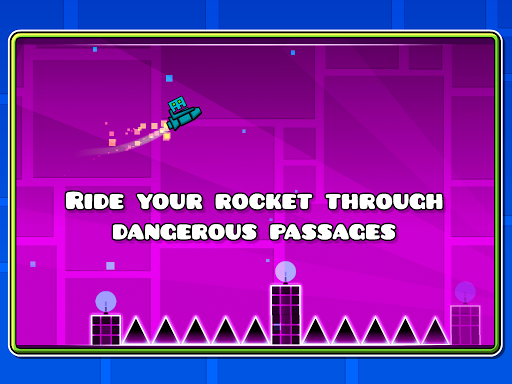
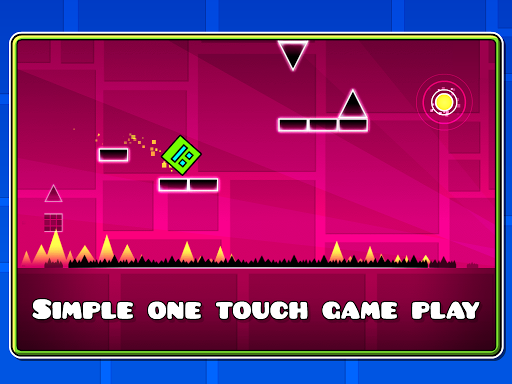
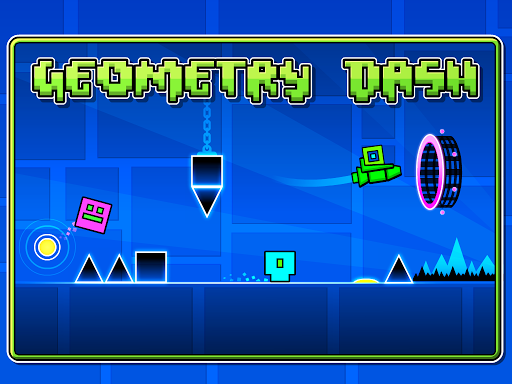
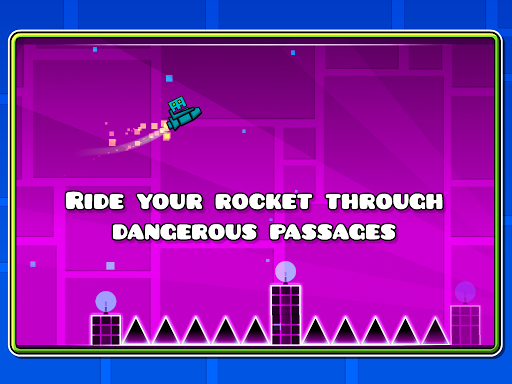
Geometry Dash Lite is a high-speed rhythm-based platformer that challenges players to navigate through obstacle-filled levels using precise timing and quick reflexes. You control a geometric icon that automatically moves forward, and your objective is to jump, fly, and flip through dangerous environments perfectly synchronized with energetic electronic music. With its simple one-touch controls and increasingly difficult levels, the game delivers an intense, skill-based experience that rewards persistence and mastery.
What Makes Geometry Dash Lite Stand Out
Rhythm-Based Gameplay
Every level is synced to a dynamic soundtrack, requiring players to time their jumps and movements perfectly with the beat. This creates a satisfying and immersive gameplay loop.
Challenging Level Design
Levels are carefully crafted with traps, spikes, and moving obstacles that demand precision. The difficulty increases progressively, offering a strong sense of achievement upon completion.
Instant Restart System
Failing a level sends you back to the start instantly, encouraging rapid retries and continuous improvement without long interruptions.
Minimalist Yet Engaging Visuals
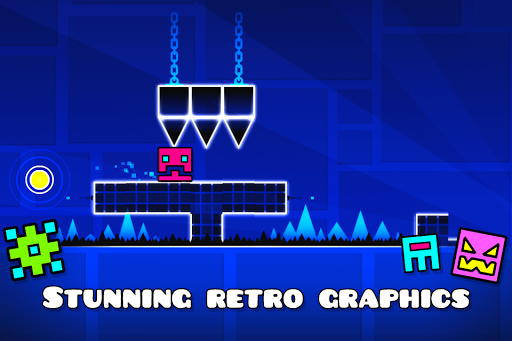
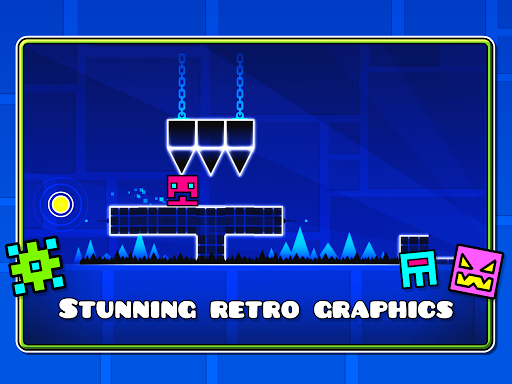
Bright colors, geometric designs, and smooth animations keep the visual experience clean while maintaining high player focus.
Skill-Based Progression
Success depends entirely on player skill, timing, and memorization, making it highly rewarding for competitive and dedicated players.
Overall Impression
Geometry Dash Lite is a highly addictive arcade platformer that combines music, precision, and fast-paced gameplay. Its easy-to-learn controls and challenging progression make it appealing to both casual players and those seeking a serious skill-based challenge.
How To Get Started?
Step 1: Start Your First Level
Enter the game and choose an available level. Begin with the early stages to understand the core mechanics.
Step 2: Learn the One-Tap Control
Tap the screen to jump. Timing is critical—press too early or too late, and you will hit obstacles.
Step 3: Follow the Rhythm
Pay attention to the music and visual cues. Many obstacles are designed to align with the beat, helping you anticipate jumps.
Step 4: Memorize the Level Layout
Each attempt helps you learn obstacle patterns. Repetition is key to improving performance and progressing further.
Step 5: Practice Precision
Focus on consistent timing and controlled inputs. Small mistakes can end your run, so accuracy is essential.
Step 6: Use Practice Mode
Enable practice mode to place checkpoints and learn difficult sections more efficiently before attempting a full run.
Step 7: Improve and Complete Levels
Keep retrying to refine your skills, complete levels, and unlock new challenges as you progress.
Step 8: Aim for Mastery
Challenge yourself to finish levels with fewer mistakes and improve your overall timing to achieve higher performance and satisfaction.
Related Games







Download for App
Screen Shots
◀
▶